Custom casing development

Thermoformed EVA casings

FFG can develop and manufacture a thermoformed EVA casing as a standalone component or integrate it into a complete product. Applications include pouches and bags made by FFG Bags, as well as other assemblies requiring a casing shaped to their contents and interfaces.

Discuss a similar application

Documented specification

Material family
EVA foam
Forming process
Thermoforming
Development routes
Standalone casing or integration into a complete product
Integration examples
Pouches, bags and other assemblies; bag development with FFG Bags

Compare foam materials and specifications ↗

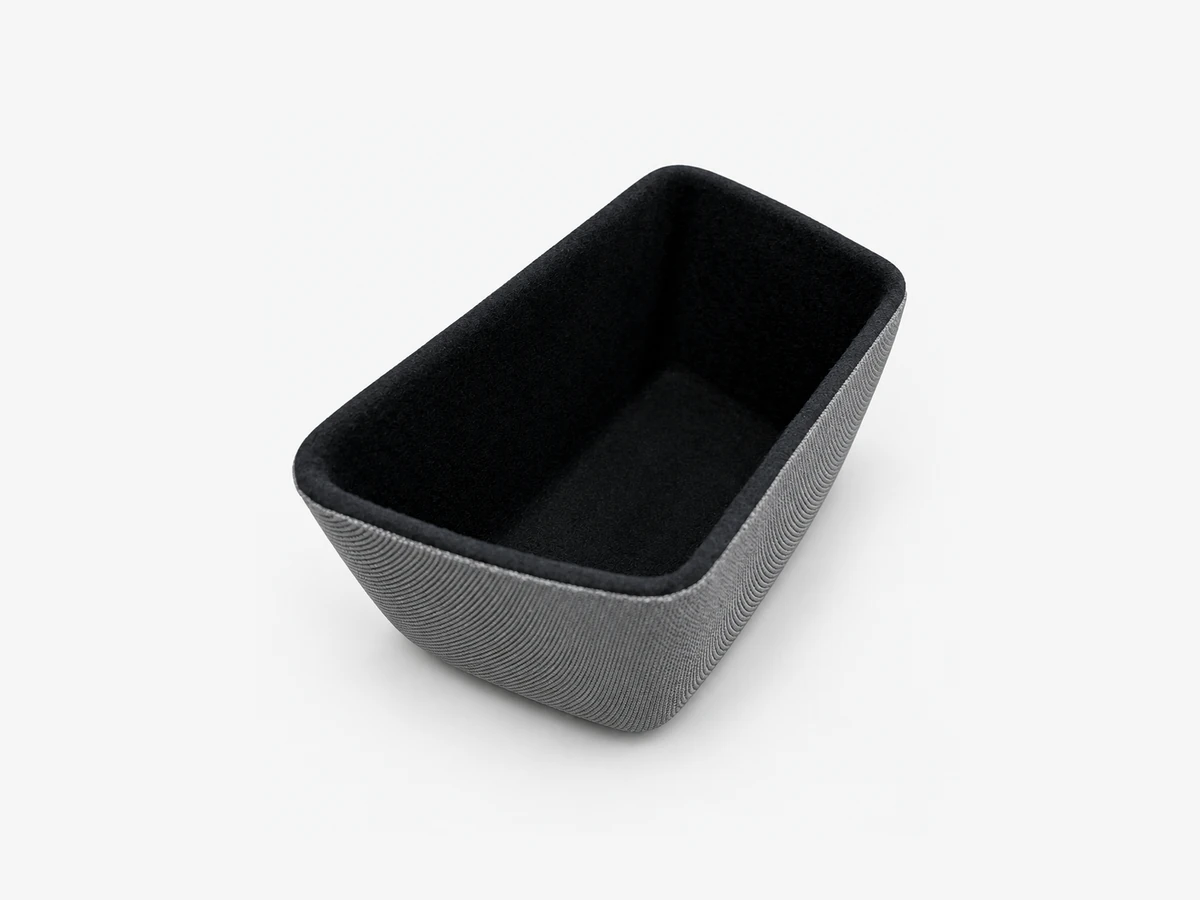
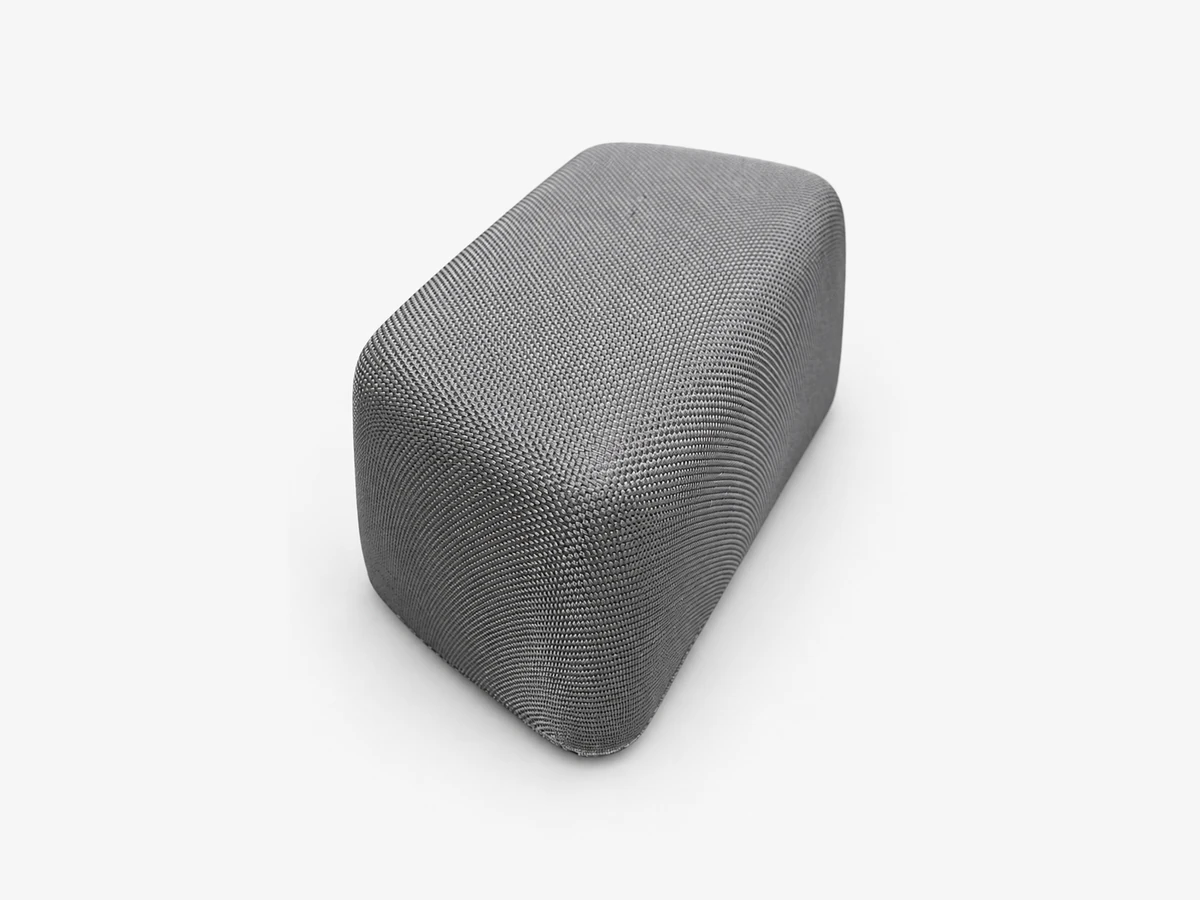
Adapted application illustration of a rounded rectangular casing with a gray fabric exterior and black interior, seen obliquely from above.
Adapted application illustrationGray fabric-covered shell, interior view. The casing can be developed on its own or around the interfaces of a larger product.

Exterior and interior illustrations

A standalone casing

Develop the casing around the intended contents, available space and handling needs. FFG can support development and manufacture of the casing component for your own assembly. Its outline, depth, rim, finish and connection points are defined for the project.

Integration into pouches, bags and other products

The casing can also be developed as part of a larger product. For pouches and bags made by FFG Bags, consider the shell together with the textile construction, opening, closure and attachment interfaces. The same development approach can be applied to other products, with the surrounding assembly determining the casing geometry and integration requirements.

Define the material, finish and manufacturing route

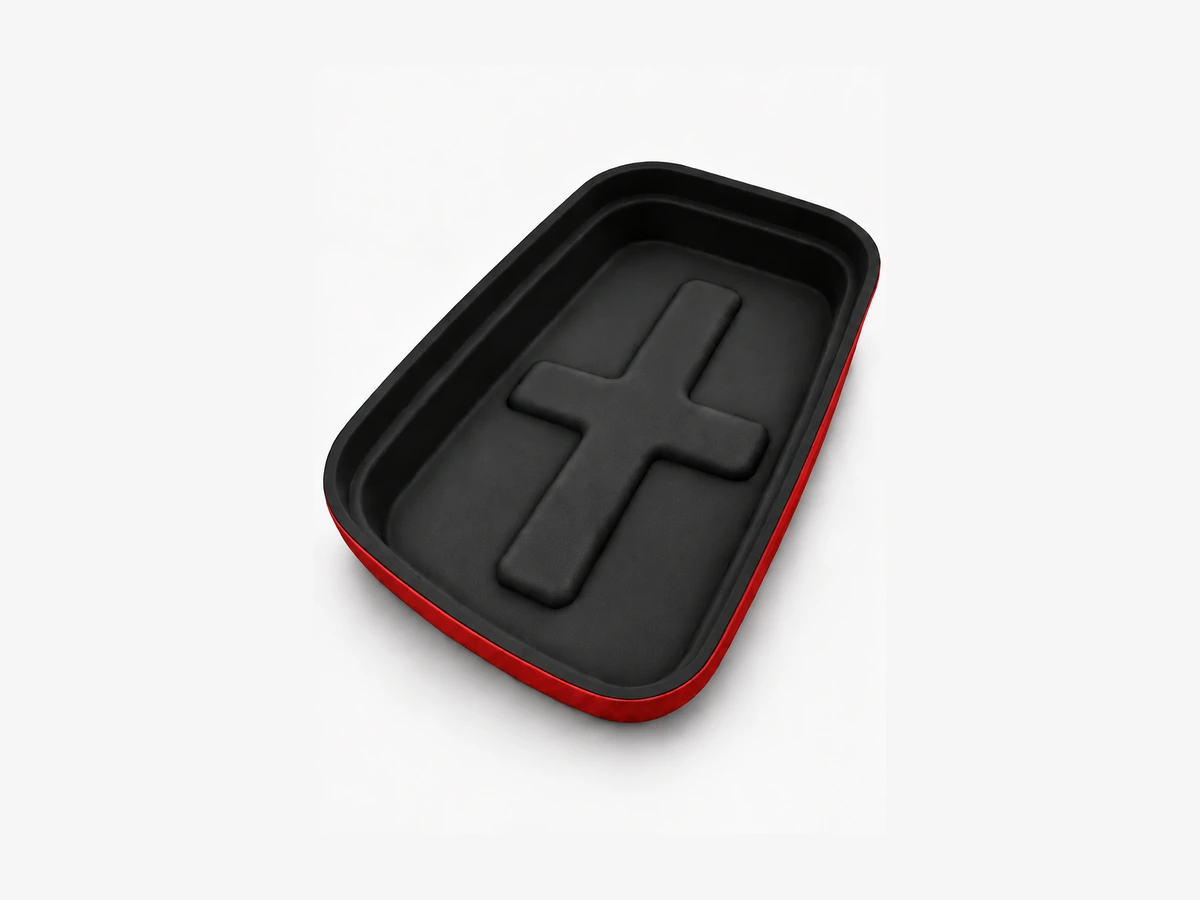
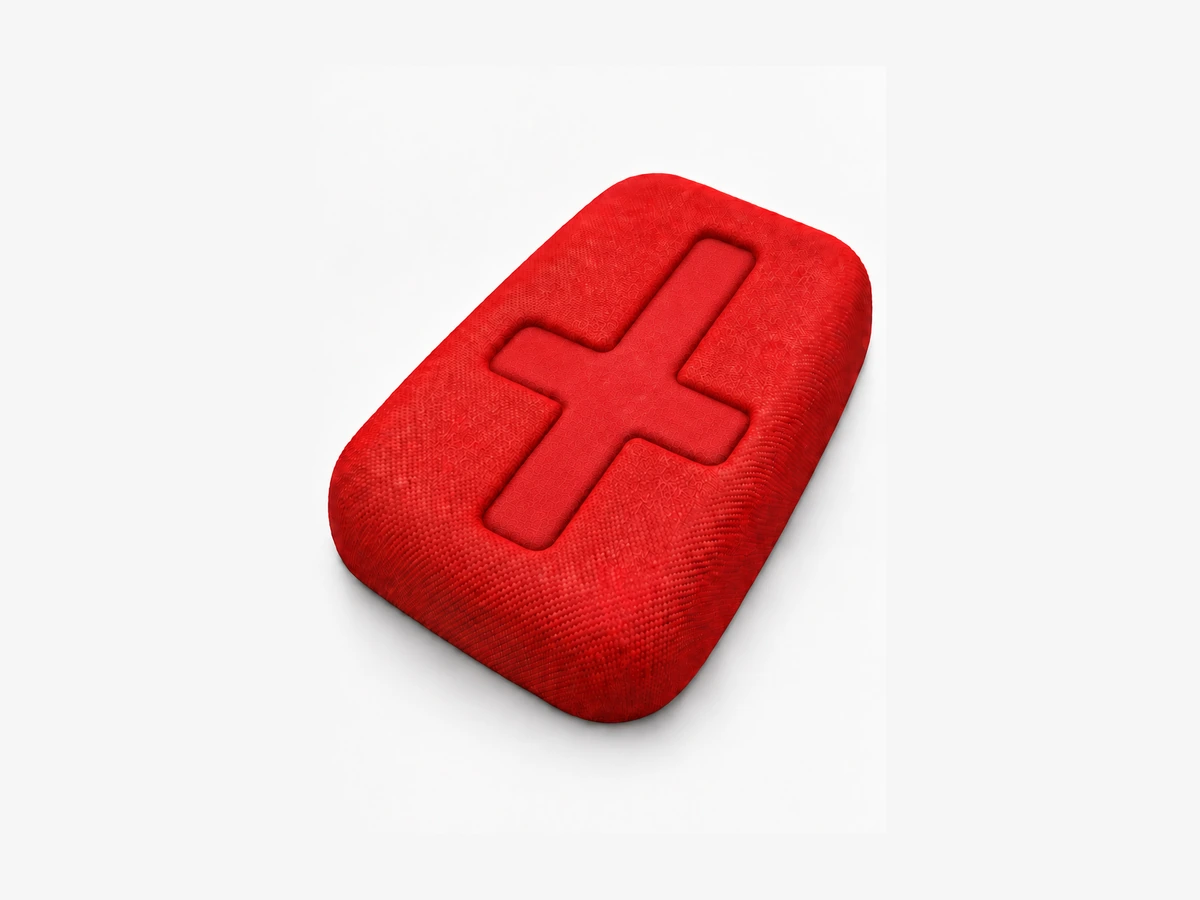
EVA grade, density, thickness and the finished dimensions are specified for each application. The illustrations show gray and red exterior treatments with black interiors; they are visual references for discussion. Facing and lining materials, forming details, tooling and assembly methods are agreed during development.

From the brief to manufacturing

Start with the contents, a drawing or reference, the intended assembly and target quantities. Define the casing and its interfaces, then agree the prototype work and acceptance checks needed before manufacturing. Fit, closure operation and any protection or durability requirements should be assessed against the criteria of your particular product.

Build a useful enquiry

Share the part or assembly drawing, overall dimensions, material or grade if known, interfaces, quantities and timing. Include the requirements you need to validate.

Discuss a similar application