Start with the information you have
An idea, sketch, sample or existing design is a useful starting point. Describe the intended function, user, target market, cost and volume expectations, available files and known constraints. Missing decisions are identified before detailed engineering begins.
- Concept or reference sample
- Available drawings or CAD files
- Use and performance requirements
- Target cost, quantities and timeline
Refine the concept around manufacture
Concept refinement and mechanical definition can include CAD work, prototype feedback, Design to Cost and Design for Manufacturing review. Material choice, assembly interfaces, part geometry and process fit are considered together. The aim is an agreed product definition that can be developed into useful supplier instructions.
Use prototypes to answer a defined question
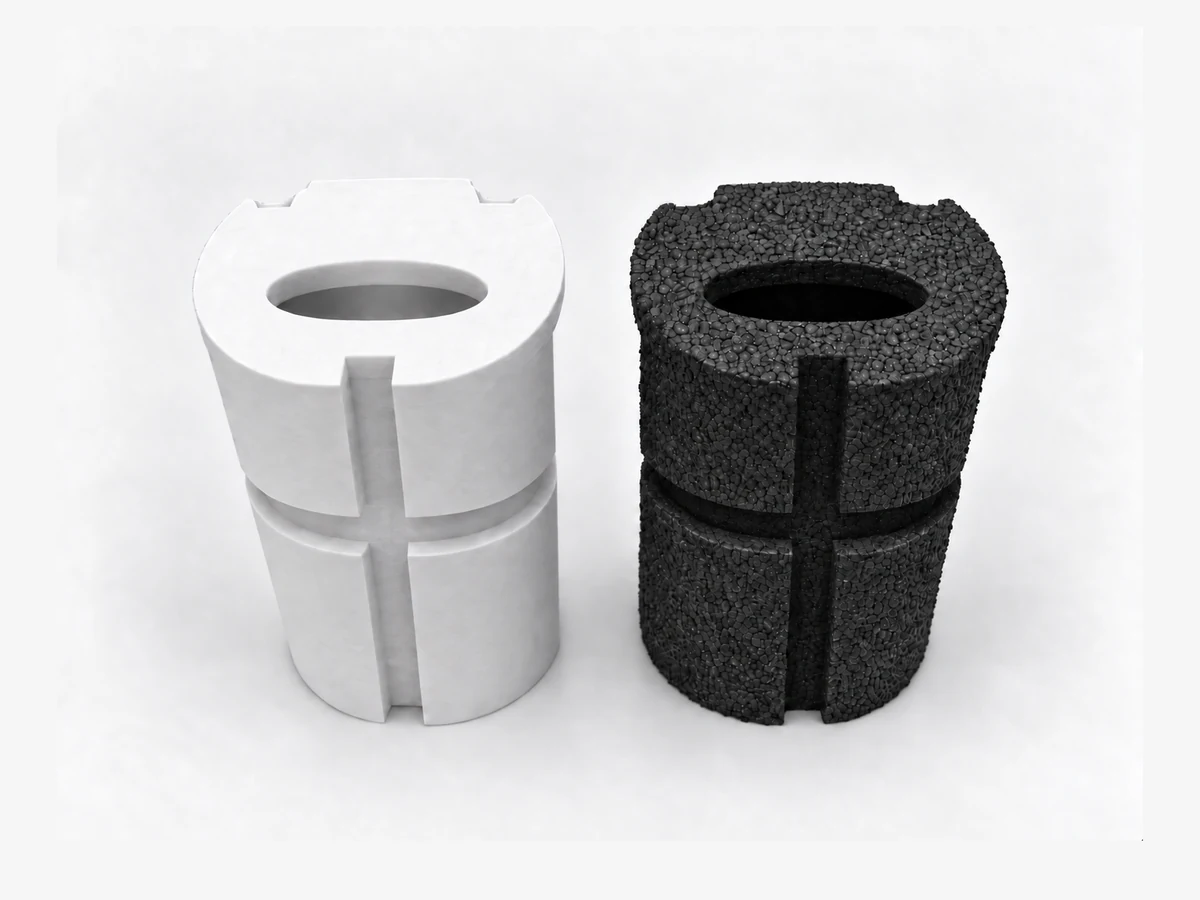
When prototyping is part of the scope, state what the sample must resolve: fit, access, assembly, material response or another specific requirement. Record the configuration and feedback before making the next design decision. The published drone EVA block distinguishes a static prototype fit check from later pilot approval following field testing; its detailed test results are not public.
Approve the definition before supplier handoff
FFG documents options and trade-offs; the customer approves the final design and technical package. Agree deliverables and any separate prototype, qualification or manufacturing support. The engineering package example shows possible documents and decision points, with its illustrative status clearly identified.